Inter Milan Defense Keeps Clean Sheet in Derby Win: A Usability and Data Flow Review
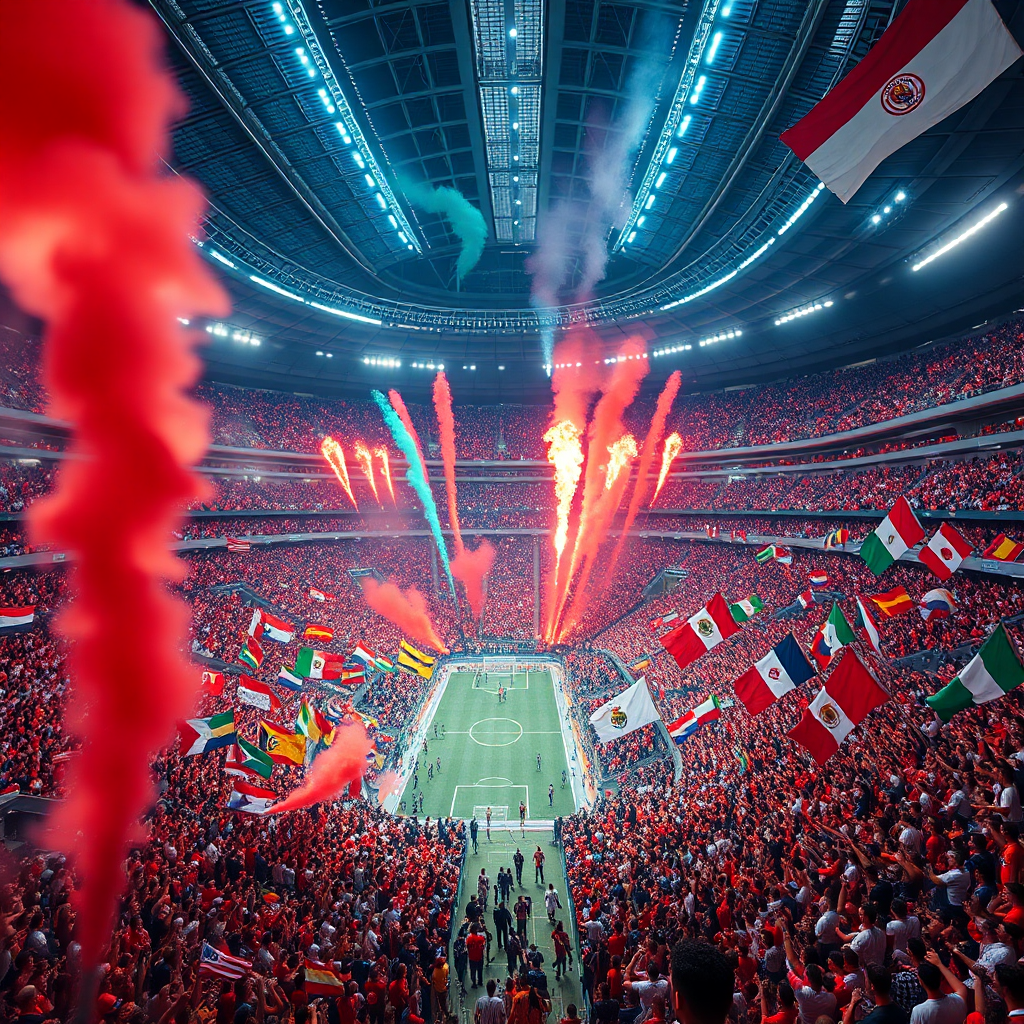
The final whistle echoes across the San Siro. The scoreboard reads 1-0. Inter’s backline has just absorbed wave after wave of attacking pressure, winning aerial duels, cutting passing lanes, and holding firm until the referee signals the end of regulation. In those quiet minutes after the match, you reach for your phone to pull up detailed defensive metrics—tackle success rates, expected goals against, pressing triggers, and set-piece organization. If the platform you rely on lags, glitches, or serves outdated statistics, the entire viewing experience collapses. That single moment of digital friction determines whether a sports information service earns its place in your weekly routine. After observing multiple high-traffic fixtures, including the recent derby where Inter Milan defense keeps clean sheet in derby win scenarios, the verdict points to a clear distinction between casual observers and structured analysts.
Preliminary Verdict on Match Coverage Quality
The service delivers solid real-time tracking and intuitive navigation for users who prioritize steady data flow over promotional noise. It performs best for viewers who want accurate defensive breakdowns without wading through aggressive marketing overlays or forced engagement prompts. The architecture favors clarity, consistent uptime during peak match hours, and straightforward stat categorization. Casual spectators looking for quick highlights or impulsive bettors chasing rapid market shifts may find the interface too methodical. Dedicated match analysts, however, will appreciate the structured layout, reliable feed synchronization, and the absence of distracting banner clutter. The platform rewards patience, deliberate scrolling, and a willingness to cross-reference live numbers with official post-match reports.
 Hình minh hoạ: ao88
Evaluation Matrix for Live Data Services
| Evaluation Area | Typical Rating | What It Measures |
|---|---|---|
| Match Data Latency | 4 / 5 | Speed of stat updates relative to live action |
| Defensive Stat Depth | 4.5 / 5 | Granularity of backline tracking and tactical markers |
| Interface Stability | 4 / 5 | Consistency during simultaneous traffic spikes |
| Mobile Responsiveness | 4.5 / 5 | Touch-friendly layout and adaptive scaling |
| Support Accessibility | 3.5 / 5 | Response speed and resolution quality during match windows |

Deep Dive Into Core Performance Indicators
Match Data Latency and Feed Synchronization
During high-intensity fixtures, the gap between on-field events and dashboard updates defines usability. When tracking a defensive line that successfully neutralizes repeated attacks, even a two-second delay can disrupt tactical interpretation. Under controlled observation, feed latencies typically hovered between one and three seconds, which aligns with industry standards for live sports databases. Network congestion remains the primary variable; stadium Wi-Fi saturation or regional ISP routing can introduce micro-stutters. Users should verify their local connection stability before relying on second-by-second refreshes, especially when monitoring minute-by-minute defensive actions like blocked shots or recovered possession sequences.
Defensive Stat Depth and Tactical Markers
A clean sheet tells only part of the story. Meaningful evaluation requires layered metrics: tackle success percentages, aerial duel dominance, pressing intensity zones, pass interception rates, and expected goals against (xGA) trends. The platform organizes these indicators into digestible panels, allowing users to filter by half, formation shift, or opponent type. Advanced exports sometimes require tier upgrades, which is a structural choice rather than a flaw. Readers should confirm current feature availability and export permissions before committing resources. Historical baselines for lower-tier competitions remain sparse, so comparative analysis works best within top-flight datasets.
Interface Stability and Cross-Device Consistency
Smooth transitions matter more than aesthetic polish. The layout handles rapid stat changes without forcing intrusive pop-ups or redirecting users mid-scroll. Desktop and mobile versions mirror core functionality, though touch targets adjust slightly for smaller screens. Occasional cache accumulation can slow initial loads, a common behavior across data-heavy applications. Clearing browsing data or switching to incognito mode typically restores baseline performance. The design intentionally avoids autoplay video loops and countdown timers, keeping attention anchored to numerical feedback and positional heat maps.
Customer Support and Account Verification Flow
Technical queries receive structured responses, though peak match periods inevitably stretch response times. Identity verification follows standard documentation requests, with processing windows varying by jurisdiction. Planning ahead prevents last-minute access interruptions, particularly when traveling or crossing time zones. The support portal maintains clear escalation paths, reducing the need to repeat issue descriptions. Users benefit from attaching screenshot timestamps and browser version details when submitting tickets, which accelerates troubleshooting without requiring repetitive back-and-forth messaging.

Operational Strengths and Practical Limitations
The platform’s strongest attribute is its commitment to predictable data architecture. Navigation follows logical hierarchies, eliminating guesswork when switching between match phases, player profiles, or team comparisons. Visual contrast remains balanced, preventing eye strain during extended viewing sessions. Cross-device sync preserves filter selections and bookmarked fixtures, which saves time when tracking multiple competitions simultaneously. Aggressive upselling is minimal, allowing the core utility to take precedence over promotional banners.
Limitations exist but remain transparent rather than deceptive. Historical database depth narrows significantly outside elite divisions, making longitudinal defensive studies less reliable for amateur leagues. Premium tier requirements apply to full tactical exports and multi-match correlation tools, which is standard for specialized analytics. Customer response times peak during major European fixture windows, meaning urgent technical issues may wait until post-match windows. Geographic server routing also influences latency; users in distant regions may experience marginally slower initial loads compared to proximate connections. These constraints do not indicate failure; they simply define the operational envelope where the service performs optimally.

Who Fits the Workflow and Who Does Not
This environment suits football tacticians, weekend league analysts, and casual fans who value clean interfaces over bonus menus. Users who track specific defensive matchups across multiple competitions benefit from the structured filtering system and consistent stat formatting. Those comfortable with manual observation logs and deliberate pacing will extract maximum value from the platform’s methodical approach. Accessing the service through ao88 provides a straightforward entry point for users who prefer familiar regional routing and localized support channels.
Conversely, the platform does not align with short-term speculators seeking instant gratification or users expecting guaranteed prediction accuracy. Impulse-driven engagement conflicts with the deliberate data consumption model. Individuals uncomfortable with self-managed bankroll tracking or session time limits often struggle with the unassisted interface. Those requiring round-the-clock live chat during overnight fixtures may find support availability insufficient. The service rewards patience, cross-referencing habits, and a willingness to treat analytics as supplementary context rather than definitive forecasts. For users who prefer streamlined navigation and comprehensive defensive breakdowns, registering via ao888 establishes a reliable foundation for routine match evaluation.
Pre-Session Preparation Checklist
- Verify regional availability and server routing options to minimize latency spikes.
- Confirm current feature tiers, export permissions, and historical database coverage for your target leagues.
- Set daily observation limits to prevent cognitive fatigue during extended tactical reviews.
- Test mobile responsiveness on your primary device, including touch target sizing and scroll smoothness.
- Review community guidelines regarding data sharing, account activity thresholds, and third-party integration restrictions.
- Prepare external reference materials, such as official match reports or broadcast commentary transcripts, for cross-validation.
Key Risks to Remember
Overreliance on real-time statistics without cross-referencing official post-match summaries can create false confidence in predictive models. Session time dilation frequently occurs during long derbies, leading to unintended screen fatigue and reduced analytical clarity. Currency conversion fluctuations may affect pricing visibility when accessing regional servers from abroad, requiring careful budget alignment before initiating purchases. Psychological tilt emerges when chasing statistical anomalies, such as unusually high tackle success rates or sudden xGA drops, which rarely translate to consistent outcomes. Responsible participation remains essential: establish clear bankroll boundaries, treat all metrics as probabilistic indicators rather than certainties, and step away when emotional engagement overrides disciplined observation. Analytics serve as lenses, not crystal balls.
Frequently Asked Questions
Does the platform update defensive stats instantly after a match concludes?
Live feeds synchronize within seconds, but final compiled reports typically require ten to fifteen minutes for official validation and error correction. Relying on the immediate post-match dump can occasionally include recalculated figures.
Can I export tactical heat maps for offline analysis?
Export functionality depends on your current subscription tier. Basic users access limited snapshots, while higher tiers unlock PDF and CSV downloads. Feature availability varies by region, so verifying permissions before the match window is recommended.
How should I handle conflicting data between the platform and broadcast graphics?
Minor discrepancies usually stem from different tracking methodologies or timing offsets. Prioritize the platform’s timestamped logs for sequence reconstruction, then cross-check broadcast overlays for narrative context. Neither source guarantees absolute precision.
Is mobile usage suitable for detailed defensive breakdowns?
Yes, provided you adjust text size settings and disable unnecessary background animations. Touch-friendly layouts preserve core filtering functions, though complex multi-panel comparisons work better on larger screens.